3 medium tomatoes
2 teaspoons red pesto
3 teaspoons Sriracha sauce
1 teaspoon Garlic Granules
salt and pepper
4 Tblspns Plain Flour
3 cups Panko Breadcrumbs
1 cup Desiccated Coconut
Vegetable oil
2 limes
The post Thai Style Seabass in Coconut and Panko Crumb with a Spicy Tomato Salsa appeared first on Seafresh.
]]>- 4Fillets Seafresh Seabass Filletsdefrosted and skin removed
- 3medium Tomatoeschopped and crushed
- 2Teaspoons Red Pesto
- 3 - 4 Teaspoons Sriracha Saucedepending on spiciness
- 1 Teaspoon Garlic Granules
- 4 - 5Tablespoons Plain Flour
- Salt and black pepper
- 3Cups Panko Breadcrumbs
- 1Cup Desiccated Coconut
- 2 Eggsmixed for breading
- 6Tablespoons Vegetable Oil
- 2 Limes
- Defrost and skin the Seabass fillets
- Remove the skin from the tomatoes - cut out the top and cross the bottom with a sharp knife then place in a bowl. Cover with boiling water for 30 seconds. Remove and the skin should easily peel off. Chop and crush the tomatoes add the Red Pesto and Sriracha Sauce to make the Salsa.
- Season the flour with salt and black pepper and add the garlic granules. Dip the Seabass fillets in the flour, then dip in the egg mixture.
- Mix the panko breadcrumbs and the desiccated coconut together in a shallow dish and dip the Seabass fillets in the crumb making sure you get good coverage on both sides.
- Shallow fry in the vegetable oil for 2 minutes each side until the crumb is golden brown. Place the fillets on kitchen towel to remove any excess oil. Serve on a hot plate along with the Spicy Salsa (Salsa can be warmed or served cold). Squeeze the juices of the limes over the fish and decorate with a few lime slices
The post Thai Style Seabass in Coconut and Panko Crumb with a Spicy Tomato Salsa appeared first on Seafresh.
]]>The post Haddock Loins with Tomato, Chilli and Corriander sauce & lime foam appeared first on Seafresh.
]]>
- 1Tblspn Sesame Seed Oilcan be olive oil if preferred
- 70 - 100 gram Butter
- 1Chopped Red onion
- 3finely chopped garlic
- 1 - 2 Tblspn Red Chilli Pureedepending on your preference
- 1tin Chopped Tomatoes
- 2 7-10 oz Haddock Loins - skin onDefrosted and lightly salted. .......can be any white fish - with or without skin -
- 1bunch Fresh Corrianderroughly chopped
- 200gram Lime Juice
- 200gram fish stock or watercold
- 1.5gram Soy Lecithin powder
- Gently fry the onions and garlic until the onions are transparent (do not brown), add the chilli puree and stir then add the tin of chopped tomates. cook for 4 -5 mins on a medium heat add the roughly chopped Corriander and season. Blend with a blender or food mixer for 20 seconds to smooth out the sauce.
- Squeeze the juice from the limes with a citrus press until you have approximately 200 gram lime juice (or you can buy lime juice in a bottle if you want to keep it simple). Add the same amount of water so you have 50% lime juice and 50% fish stock or water. (cold) Add the Soy Lecithin and use the hand blender (or immersion blender) to add air to the mixture.
- Pan fry the defrosted Haddock loins skin side down for 4- 5 mins in oil and butter. Spoon the oil and butter over the top several times to cook the top of the fish then remove from pan onto a piece of kitchen towel to remove excess oil.
- Squeeze the juice from the limes with a citrus press until you have approximately 200 gram lime juice (or you can buy lime juice in a bottle if you want to keep it simple). Add the same amount of water so you have 50% lime juice and 50% water. Add the Soy Lecithin and use the hand blender (or immersion blender) to add air to the mixture.
- To serve: place a ladle or two of sauce on the plate, Cut the loins in half and place on top of the sauce along with a garnish of corriander. Spoon over some of the lime foam and serve with vegetable of your choice. We chose asparagus spears

A delicious easy fish dish - works with most white fish. Tangy sauce complimented by the lime foam and a real eye pleaser. Using super Seafresh Haddock Loins this easy recipe will not let you down when entertaining friends and family
The post Haddock Loins with Tomato, Chilli and Corriander sauce & lime foam appeared first on Seafresh.
]]>The post How Long Should You Cook Frozen Fish in Air Fryer for Perfect Results appeared first on Seafresh.
]]>- Duration for preparing frozen seafood in an air fryer and comprehension of cooking durations.
- Optimal heat settings for frying fish in an air fryer.
- Detailed instructions for frying fish using an air fryer.
- Frequent errors made when frying frozen seafood.
How Long Should You Cook Frozen Fish In Air Fryer | Understanding Frozen Fish Cooking Times
Understanding the cooking times for frozen fish in an air fryer is crucial for achieving perfectly fried fish. The duration required to air fry frozen food like fish fillets or fish sticks varies, influenced by factors such as the type of fish, thickness, and whether it is breaded. Generally, a temperature range of 180-200 degrees Celsius is ideal for air frying white fish, with cooking times often falling between 10 to 15 minutes. This method allows for a healthier alternative to deep-frying, retaining the moisture and flavours of the fish while ensuring a crispy texture. Knowing how long to cook frozen fish in an air fryer will elevate your fish meal experience, providing a deliciously satisfying dish.
How Long Should You Cook Frozen Fish in Air Fryer | Factors Influencing Cooking Duration
Cooking duration for frozen fish in an air fryer can vary significantly based on several factors. The thickness of the fish fillet plays a crucial role. Thicker pieces, such as sockeye salmon or shrimp, may require longer cooking times compared to thinner fillets. Also, the type of frozen foods affects the cooking duration; for instance, a battered fish suitable for fish and chips may need different handling than a plain fillet. Understanding these nuances helps answer the question of how long should you cook frozen fish in an air fryer effectively.
If you’re cooking cod specifically, our frozen cod fillets are ideal for air frying. They cook evenly from frozen, retain moisture, and deliver a light, flaky texture every time.
Another important consideration is the specific air fryer model you are using, as different models can have varying heating capabilities. Using a cooking spray, such as non-stick cooking spray or a light mist of cooking oil, can also impact the cooking time and result in a crispier texture. If you’re preparing dishes that incorporate Vietnamese fish sauce, timing becomes even more critical to avoid overcooking. Thus, it is essential to monitor the cooking process closely for optimal seafood results, ensuring you achieve the desired taste and texture while contemplating how long should you cook frozen fish in air fryer.
Benefits of Cooking Frozen Fish in an Air Fryer
Cooking frozen fish in an air fryer offers a quick and healthy alternative to traditional frying methods. The air fryer circulates hot air around the food, resulting in crispy skin without excessive oil. This technique not only enhances the flavour but also reduces the calorie count. Recipes for fried fish tacos or crab cakes can be easily adapted for air frying, making it an excellent choice for home cooking enthusiasts. Those seeking to explore new dishes may find cookbooks specifically focused on air fryer seafood particularly useful.
Health benefits are another significant advantage of using an air fryer for frozen fish. Air frying retains essential nutrients, making it a smarter option compared to methods that involve deep frying. Cooking shellfish and other seafood in this manner ensures moist and tender results. Using a meat thermometer can help determine if the fish is cooked through, providing peace of mind for those concerned about food safety. For dishes like meatloaves or meatballs, the versatility of the air fryer extends beyond just fish, making it a reliable cooker for a variety of meats and seafood.
| Benefit | Description | Key Nutrients Retained |
|---|---|---|
| Healthier Cooking | Reduces the need for oil, resulting in lower calorie meals. | Omega-3 fatty acids, Protein |
| Crispy Texture | Provides a crispy outer layer without deep frying. | Vitamin D, Selenium |
| Quick Preparation | cooks frozen fish quickly, saving time in the kitchen. | Iron, B Vitamins |
| Versatility | Suitable for various seafood and meaty dishes. | Phosphorus, Zinc |
Ideal Cooking Temperatures for Fryer Fish
Choosing the right cooking temperature is crucial for achieving perfectly cooked fish in an air fryer. For optimal results, fish cooks best at a temperature between 180°C and 200°C. This ensures that the exterior becomes crispy while the interior stays moist and flaky. Knowing how long you should cook frozen fish in air fryer conditions helps as well; typically, frozen fish sticks require about 12 to 15 minutes, while thicker cuts may need up to 20 minutes. Pair your air-fried fish with a delightful marinara sauce for a satisfying meal. Always ensure that your frozen fish is cooked thoroughly, eliminating the risk associated with undercooked poultry or fish. For those wondering how to fry fish till tender perfection, monitoring the temperature and time is essential. Following these guidelines guarantees a healthy, enjoyable dish of air-fried fish, making frozen fish direct from the freezer a convenient option.
Recommended Temperature Settings
Cooking frozen fish in an air fryer requires precise temperature settings to achieve the best results. For frozen fish fillets, a temperature of 200°C (around 400°F) is generally ideal. This setting allows the exterior to crisp up while ensuring that the inside cooks through properly. Specifically for air fryer salmon and other frozen seafood, maintaining this temperature helps to cook the fish warm without drying it out. Always keep in mind that cooking times may vary depending on the thickness of the fish fillet air.
A guideline for how long you should cook frozen fish in an air fryer is approximately 10 to 15 minutes. For frozen fish halfway through cooking, flipping the fillets can enhance even cooking. Seasoned fish will benefit from these settings, allowing the flavours to develop while the fish dish cooks. Following these temperature recommendations will ensure that your fish recipes are both delicious and healthy, providing an easy way to enjoy various fish dishes in a quick air fryer preparation.
Safety Considerations for Cooking Frozen Fish
Cooking frozen fish in an air fryer requires attention to safety to ensure the best results. Understanding how long you should cook frozen fish in an air fryer is crucial for achieving perfect fish without compromising food safety. Always ensure that your specific air fryer is functioning correctly, as this can affect cooking times. For quality fish, be sure to check that your air fryer tray is clean and free from residue before you start. Using an air fryer recipe that specifies cooking times for frozen shrimp or frozen salmon can help you achieve optimal results and keep your meals safe.
Air frying is a convenient way to prepare meals, but safety should always be a priority. Frozen fish should be fully cooked to an internal temperature that is safe for consumption, particularly when using fryers. Avoid cross-contamination by keeping fish fresh separately from raw meats. If the air fryer doesn’t seem to be cooking evenly, consider using an additional air fryer for larger portions. Monitoring the cooking process helps prevent overcooking while ensuring the fish is both safe to eat and delicious. How long should you cook frozen fish in an air fryer can vary, so adjusting accordingly based on your appliance is essential.
- Always check the internal temperature of the fish to ensure it reaches at least 63°C (145°F).
- Preheat the air fryer for better cooking efficiency and even heating.
- Use a food thermometer to verify that the fish is cooked through.
- Label and date any frozen fish to avoid using fish that has been stored too long.
- Make sure to clean the air fryer thoroughly after cooking to prevent lingering bacteria.
- Avoid defrosting fish at room temperature; instead, thaw it in the refrigerator or via cold water.
- Follow specific air fryer recipes for guidance on timings and temperatures for different types of fish.
Step-by-Step Guide to Fry Fish in an Air Fryer
Cooking frozen fish in an air fryer can be a straightforward process, providing delicious results with minimal fuss. To determine how long you should cook frozen fish in an air fryer, consider the specific fish type and thickness, as these factors influence the precise cooking time. For optimal cooking, preheat the air fryer to ensure even heat distribution. Many fryer recipes suggest a cooking duration of approximately 12-15 minutes at 180°C, ensuring the fish starts to flake easily. Using the air fryer function allows for perfect results, similar to how one would prepare fryer scallops or air fryer chicken. By following the correct techniques and timings, you can create a delightful fish dinner that rivals traditional fryer recipes, making it an easy air fryer option for any meal.
- Always check the internal temperature of the fish; it should reach at least 63°C.
- Lightly coat the fish with oil or cooking spray to enhance crispiness.
- Season the fish with your favourite herbs and spices before cooking.
- Avoid overcrowding the air fryer basket; cook in batches if necessary.
- Flip the fish halfway through the cooking time for even crispiness.
- Let the fish rest for a few minutes after cooking to allow juices to redistribute.
- Serve with a wedge of lemon and your choice of dipping sauce for added flavour.
Preparing Frozen Fish for Cooking
Preparing frozen fish for cooking requires attention to detail to ensure the best results. For example, if you plan to air fry halibut or frozen fantail shrimp, it’s essential to understand how long you should cook frozen fish in the air fryer. The cooking time varies depending on the type of fish and its thickness. Using the non-preheated air fryer function can help achieve that air fryer crispy texture that many desire in a delicious fish meal. As you assess cook times, remember that delicate fish fillets may need less time than more robust varieties.
To achieve optimal results, consider how the fish becomes during the cooking process. The key to a successful dish lies in following recommended fryer recipes group guidelines and adjusting cook time accordingly. For instance, fresh fish fillets typically cook faster than frozen options. Noting the specific characteristics of the fish being used can significantly enhance your cooking experience, ensuring you consistently prepare tasty meals. Whether you’re whipping up fryer muffin meatloaves or aiming for a classic air-fried fish, precision in preparation sets the stage for delicious outcomes.
Cooking Techniques for Optimal Results
Understanding how to cook frozen fish effectively in an air fryer can elevate your cooking skills significantly. To achieve optimal results, it is crucial to consider the specific air fryer model you are using as different models may require adjustments in cooking time. For instance, when placing fish in the fryer, ensure it is arranged in a single layer for even cooking. Some may wonder how long should you cook frozen fish in air fryer settings. Typically, the exact cooking time can be influenced by the thickness of the fish and whether it’s paired with other items, like frozen steak fries.
Utilising a spray air fryer can help enhance the texture of the fish while keeping it moist. If you decide to cook a variety of seafood recipes, like frozen crab cakes or instant pot shrimp, remember to adjust cooking time accordingly. The same cooking times are not always applicable to different types of fish, as each one may require a distinct approach. Observing how fish defrosts can also impact cooking time, ensuring that you achieve perfectly cooked results every time. Knowing how long should you cook frozen fish in air fryer can lead to delightful meals that impress your family and guests.
Common Mistakes When Frying Frozen Fish
Overcooking frozen fish in an air fryer can lead to a dry texture and unappealing flavour, making it essential to understand how long you should cook frozen fish in an air fryer. The air fryer community often emphasises following fryer directions closely to ensure optimal results. Choosing the right type of fish, such as fish fillets or fish planks, can also impact the cooking process significantly. This cooking method offers a smoother cooking process compared to traditional frying methods, especially when preparing air-fried dishes like fish sandwiches or pairing with chips air fryer-style. A fish fillet expert would advise keeping an eye on the air fryer lid and adjusting cooking times to avoid overcooking, which can ruin the dish. By paying attention to these details, you can enjoy deliciously prepared frozen fish that rivals the taste of fresh options.
Overcooking and Its Consequences
Overcooking frozen fish, such as frozen cod fillets, can lead to a dry and less appealing texture. For the best results, experienced cooks should pay close attention to How Long Should You Cook Frozen Fish in Air Fryer. Unlike traditional frying methods that often require oil frying, using a cosori air fryer provides a healthier alternative. The temperature and time settings must be adjusted carefully, ensuring that the fish cooks thoroughly without becoming overdone. The air fryer basket’s efficiency allows for even cooking, making it crucial to monitor the process closely.
The consequences of overcooking extend beyond mere texture and can also affect flavour. A well-cooked piece of fish offers a classic fish pairing with light seasonings, while overcooked fish loses its delicate taste. Weekly meal planning can be affected if cooks fail to achieve optimal results with each attempt. Overcook a frozen fish meal, and it might become unappetising compared to perfectly cooked frozen chicken wings or frozen chicken breasts. Relying on the fryer lid to maintain consistent heat can help avoid these pitfalls and enhance the overall cooking experience in the basket air fryer.
| Fish Type | Ideal Cooking Time (Minutes) | Overcooking Consequence | Recommended Temperature (°F) |
|---|---|---|---|
| Frozen Cod Fillets | 12-15 | Dry Texture | 400 |
| Frozen Salmon | 10-12 | Loss of Flavor | 375 |
| Frozen Tilapia | 10-12 | Crumbly Texture | 400 |
| Frozen Shrimp | 8-10 | Rubbery Consistency | 375 |
| Frozen Catfish | 12-15 | Less Appetizing Appearance | 400 |
Choosing the Right Type of Frozen Fish
Selecting the right type of frozen fish can significantly impact your cooking experience in the air fryer. Frozen fillets or fish nuggets are ideal for quick dishes, allowing for effortless meal preparation. If you’re aiming for a meatier option, consider choosing sturdy fish like salmon or cod. These types hold up well during cooking and can be seasoned to suit various recipes, like Indian fish curry or Thai fish curry. Keep in mind that different fish may require adjustments in recipe timing, so understanding how long you should cook frozen fish in the air fryer is key to achieving the perfect result.
The choice also influences how your dish pairs with sides and accompaniments. For instance, fish filets complement fryer carrots beautifully, making for a well-rounded meal. Non-stick cooking is essential for ensuring the fish doesn’t stick during the fryer shake, which helps achieve a consistent texture. Using the fish button on your air fryer can simplify the process, giving you confidence in getting the timing just right. By exploring your options in the freezer, you can create delightful meals that suit your palate and offer variety throughout the week.
Conclusion
Exploring how long you should cook frozen fish in an air fryer opens up a new cooking journey filled with delightful flavours and healthier meal options. By mastering the recommended cooking times and employing cooking oil spray, your fish fillet will transform into a crispy, perfectly cooked dish ready to impress. Whether you are meal prepping or trying out various cooking styles, understanding these factors can significantly enhance your culinary skills. As you experiment with different rate recipes, you’ll discover the joys of air frying frozen fish, making it an essential technique for any home cook. Knowing how long should you cook frozen fish in an air fryer is key to achieving the best results and enjoying delicious meals regularly.
FAQS
What are the best cooking methods for preparing frozen fish in an air fryer to achieve a crispy texture?
To achieve a crispy texture when cooking frozen fish in an air fryer, it is important to use the right cooking methods. Start by preheating the air fryer, then lightly spray the basket with non stick cooking spray. Place the frozen fish filets in a single layer for even cooking. You can also consider using an air fryer ninja model for optimal results. If you desire, you might want to add a bit of oil cooking spray to enhance the crispiness. Avoid overcrowding, as this can disrupt the smooth cooking process. This method is typically much quicker than using a deep fryer and can yield delicious fish fillet recipes. Enjoy your air fried fish with sides like air fryer zucchini or even fry breaded options for a complete meal.
What are the key steps to ensure you cook frozen fish right in an air fryer for the best outcome?
To cook frozen fish right in an air fryer, you should start by preheating the air fryer to the recommended temperature. Place the fish in the fryer basket without overcrowding, as this helps achieve crispy fish. Depending on the type of fish, cook time may vary, so it’s important to check for doneness. Avoid cooking the same fish for too long to prevent it from drying out. Additionally, you can experiment with adding seasonings or cooking it with other food air fryer items for a more flavourful dish.
How can you achieve the best results when cooking frozen fish using an air fryer method?
To achieve the best results when cooking fish frozen in an air fryer, it’s crucial to preheat air fryer properly. Place fish in the air fryer basket without overcrowding, as this ensures even cooking. The air fryers circulate hot air, which allows the fish to cook thoroughly and achieve a crispy texture. For specific fish pairs, ensure to adjust the cooking time and temperature according to the type of fish you’re preparing. The air fryer foodie recommends checking the fish frequently to avoid overcooking, especially with thinner cuts or fryer fish sticks.
Can you recommend tips for using an air fryer method to cook frozen fish for optimal results, especially when considering freezing and the right fish selection?
To achieve the best results when using the air fryer method for frozen fish, start with the right fish suitable for air frying. Before cooking, ensure to thaw your fish properly if necessary; alternatively, you can also cook directly from freezing, adjusting the time. For added flavour and a crispy texture, consider marinating the fish or seasoned breadcrumbs. Keep in mind, using a pressure cooker or fryer combo may also enhance your dish. Finally, for an enjoyable meal, why not try serving your air fryer fish with some air fryer Yorkshire puddings on the side?
What tips can help you when adding fish to the air fryer for even cooking results?
When adding fish to the air fryer, it’s essential to ensure that the pieces are evenly spaced to allow for proper airflow. This ensures that the fish cooks evenly and achieves a delightful texture. Additionally, consider using marinade or seasoning to enhance the flavour of the fish. For those who enjoy variety, you might also try incorporating different types of proteins, such as air fryer steak tips or air fryer ground meat, for a mixed dish experience.
How do you effectively add fish to the air fryer to ensure an even cooking process?
To ensure even cooking results when you add fish to the air fryer, make sure to preheat the air fryer before placing the fish inside. Arrange the fish in a single layer without overcrowding, as this allows hot air to circulate properly around each piece. Additionally, monitoring the cooking time closely will help achieve the desired texture and prevent overcooking.
How do you determine the appropriate cooking time for fish in an air fryer?
To effectively cook fish in an air fryer, it is crucial to monitor the cooking time based on the thickness and type of fish you are using. Generally, fish should be cooked at around 180°C (356°F) for approximately 10-15 minutes, depending on the specific fish and its size. Always check for doneness to ensure the fish is cooked thoroughly in the air fryer before serving.
What factors should you consider when selecting fish for cooking in an air fryer?
When selecting fish for cooking in an air fryer, consider the type of fish, its thickness, and whether it is frozen or fresh. Different types of fish may require specific adjustments in cooking time and temperature to ensure they are cooked perfectly in the air fryer.
What are some common mistakes to avoid when cooking fish in an air fryer?
To avoid common mistakes when cooking fish in an air fryer, ensure you are not overcrowding the basket, as this can lead to uneven cooking. Additionally, preheating the air fryer is essential for achieving a crispy exterior on the fish. Don’t forget to adjust the cooking time according to the thickness of the fish, as thinner fillets may cook faster than thicker ones in the air fryer.
What is the ideal cooking duration for fish in an air fryer?
The ideal cooking duration for fish in an air fryer varies depending on the thickness and type of fish. Generally, most fish fillets take about 10 to 15 minutes to cook thoroughly in an air fryer. It is crucial to check the internal temperature to ensure the fish is properly cooked while avoiding overcooking, which can cause it to become dry.
The post How Long Should You Cook Frozen Fish in Air Fryer for Perfect Results appeared first on Seafresh.
]]>The post The Complete Squid Guide: From Ocean Depths to Culinary Excellence appeared first on Seafresh.
]]>Understanding squid biology and species is essential to appreciate the role they play in the ecosystem. Squid are cephalopods and are closely related to octopuses and cuttlefish. They have a unique ability to change their skin colour and texture, which helps them to blend into their surroundings and avoid predators. Squid are also an important food source for many marine predators, including whales, dolphins, and sharks.
With squid being a popular seafood choice, it is important to understand fishing and conservation efforts to ensure their sustainability. Squid fishing methods vary around the world, and some methods can have a negative impact on the marine ecosystem. Conservation efforts are being made to protect squid populations and ensure their continued survival.
Navigating the World of Frozen Squid
For seafood enthusiasts and culinary professionals alike, frozen squid offers a convenient and sustainable option. When buying frozen squid, look for products with clear labeling that indicates sustainable fishing practices and traceable origins. High-quality frozen squid should have a fresh scent, free from any overpowering fishy odors, and its flesh should be firm and intact. This ensures not only the ethical sourcing of the squid but also guarantees the best culinary experience.
Frozen squid is incredibly versatile in the kitchen, retaining much of the texture and flavor of its fresh counterpart. It can be used in a myriad of dishes, from traditional calamari to innovative culinary creations. Moreover, opting for frozen squid can help reduce food waste, as it allows for precise portion control and extended shelf life, ensuring that this marine delicacy can be enjoyed year-round without compromising on taste or quality.
By making informed choices about purchasing frozen squid, consumers can contribute to the sustainability of squid populations while enjoying the rich flavors and textures that this seafood offers. Whether grilled, fried, or stewed, squid remains a testament to the ocean’s bounty and culinary creativity.
Key Takeaways
- Squid are cephalopods and an important part of the marine ecosystem.
- Understanding squid biology and species is crucial to appreciating their role in the ecosystem.
- Fishing and conservation efforts are necessary to ensure the sustainability of squid populations.
Squid Biology and Species
Squids are fascinating creatures that belong to the class Cephalopoda, which also includes octopuses, cuttlefish, and nautiluses. They are known for their elongated tubular bodies, eight arms, and two longer tentacles equipped with suction cups and hooks. Squids are also equipped with complex eyes that can detect polarized light and camouflage mechanisms that allow them to blend in with their surroundings.
Anatomy and Adaptations
Squids have a unique anatomy that allows them to thrive in their ocean habitats. They have a streamlined body that enables them to swim quickly and efficiently through the water. Squids also have a complex nervous system that allows them to process information quickly and make rapid decisions.
In addition to their physical adaptations, squids also have a range of behavioural adaptations. They use their camouflage mechanisms to blend in with their surroundings and avoid detection by predators. Some species of squid are also capable of jet propulsion, which allows them to quickly escape from danger.
Diverse Species and Their Habitats
There are over 300 species of squid found in every ocean around the world. They can live in a range of habitats, from shallow coastal waters to the deep ocean. Some species are found in schools, while others prefer to live alone.
Giant squid, Humboldt squid, and flying squid are among the most well-known species of squid. Giant squid are the largest of all invertebrates, with some individuals growing up to 43 feet in length. Humboldt squid are known for their aggressive behaviour and are sometimes referred to as “red devils.” Flying squid are unique in that they can launch themselves out of the water and glide through the air for short distances.
Reproduction and Life Cycle
Squids have a complex reproductive system that allows them to produce large numbers of offspring. Females lay their eggs in clusters, which they attach to the ocean floor or other surfaces. The eggs hatch into larvae, which eventually develop into juvenile squids.
Squids have a short lifespan, with most species living for only one to two years. During this time, they grow rapidly and reach sexual maturity within their first year of life.
Overall, squids are fascinating creatures with a range of unique adaptations and behaviours. They play an important role in ocean ecosystems and have captured the interest of scientists and the public alike.
Squid in the Ecosystem
Squids are an important part of the marine ecosystem, playing a significant role in the food chain as both predator and prey. They are found in all of the world’s oceans, from shallow coastal waters to the deep sea. In this section, we will explore the diet and feeding habits of squid, their role as prey, and their ecological impact.
Diet and Feeding Habits
Squids are carnivorous and feed on a variety of prey, including fish, invertebrates such as shrimp and crabs, and other squid. They are also known to feed on plankton and zooplankton. Squids have a unique feeding mechanism, using their powerful tentacles to capture prey and their sharp beaks to tear it apart. They are also able to change the colour and pattern of their skin to blend in with their surroundings, making them effective predators.
Squid as Prey
Squids are an important food source for a variety of marine animals, including seals, dolphins, sharks, and fish. They are also preyed upon by other squid and invertebrates such as clams. Squids have evolved a number of defence mechanisms to avoid being eaten, including ink sacs and the ability to jet away from predators at high speeds.
Ecological Impact
Squids play an important role in the marine ecosystem, serving as both predator and prey. They help to regulate the populations of their prey, which in turn affects the populations of other species in the food chain. Squids are also known to transport carbon and nutrients between marine environments, making them important contributors to the global carbon cycle.
Changes in water temperature and other environmental factors can have a significant impact on squid populations and their role in the ecosystem. For example, warming ocean temperatures can affect the distribution and abundance of plankton, which in turn affects the prey available to squid. This can have a ripple effect throughout the food chain, impacting the populations of other marine species.
In summary, squids are an important part of the marine ecosystem, playing a significant role as both predator and prey. They have a unique feeding mechanism and a number of defence mechanisms to avoid being eaten. Changes in environmental factors can have a significant impact on squid populations and their role in the ecosystem, highlighting the importance of understanding their biology and ecology.
Fishing and Conservation
Fishing Techniques and Practices
Squid fishing is a popular activity in many coastal regions around the world, particularly in Europe and Asia. There are various techniques and practices used for squid fishing, including the use of jigs, nets, and lines. The most common method is using a jig, which is a type of lure that mimics the movements of a squid.
Squid fishing can be a sustainable practice if it is done using the right techniques and practices. For example, using selective fishing gear, avoiding areas where squid populations are low, and releasing unwanted catch can help to reduce the impact on squid populations.
Squid Populations and Overfishing
Overfishing is a major threat to squid populations. Squid are a vital part of the marine food chain, and their decline can have a significant impact on other species. The decline in squid populations is largely due to overfishing, which is caused by the increasing demand for squid in the culinary industry.
Conservation Efforts
Conservation efforts are being made to protect squid populations from overfishing. These efforts include the establishment of marine protected areas, the implementation of fishing quotas, and the promotion of sustainable fishing practices.
In addition, there are also efforts to promote the consumption of sustainably sourced squid. Consumers can play a role in conservation efforts by choosing sustainably sourced squid products and supporting restaurants and retailers that promote sustainable fishing practices.
Overall, squid fishing can be a sustainable practice if it is done using the right techniques and practices. Conservation efforts are needed to protect squid populations from overfishing and ensure their long-term survival.
Culinary Uses of Squid
Squid is a versatile and delicious mollusc that is high in protein, low in fat and rich in health benefits. Chefs around the world have been incorporating squid into their dishes for centuries, and it has become a staple in many cuisines. In this section, we will explore the various culinary uses of squid, including cleaning and preparation, cooking techniques, and global squid dishes.
Cleaning and Preparation
Before cooking squid, it is important to clean it properly to remove any sand, grit or ink. To do this, remove the head and tentacles from the body, and discard the innards. Peel off the skin and remove the transparent quill from inside the body. Rinse the squid under cold water and pat dry with a paper towel.
Cooking Techniques
Squid can be cooked in a variety of ways, including grilling, frying, and boiling. Grilled squid is a popular dish in Mediterranean cuisine, and is often served with lemon and herbs. Fried calamari is a favourite in many seafood restaurants and is typically served with a garlic and pepper dipping sauce. Boiled squid can be used to make a stock for soups and stews.
To ensure that squid remains tender and does not become rubbery, it is important not to overcook it. A good technique is to cook it quickly over high heat, or to slowly braise it in liquid until it becomes tender.
Global Squid Dishes
Squid is used in a variety of global dishes, including sushi, paella, and pasta. In Japan, squid is often served raw as sashimi or in sushi rolls. In Spain, squid is a key ingredient in paella, and is often cooked with rice, saffron and vegetables. In Italy, squid is used to make calamari pasta, which is a popular seafood dish.
Related Posts:
Squid in Culture and Arts
Squid have been a part of human culture and arts for centuries. From mythology and folklore to literature and film, squid have left their mark on various aspects of human imagination and creativity.
Mythology and Folklore
In many cultures, squid have been associated with mythical creatures such as the Kraken, a giant sea monster that was believed to attack ships and sailors. The Kraken is said to have been so large that it could wrap its tentacles around entire ships and drag them to the ocean floor. In Norse mythology, the Kraken was believed to be a giant octopus or squid that lived off the coasts of Norway and Greenland.
Squid in Literature and Film
Squid have also been a popular subject in literature and film. Jules Verne’s “Twenty Thousand Leagues Under the Sea” features a giant squid that attacks the Nautilus, the submarine in which the protagonists are travelling. The squid is described as being over 60 feet long and having tentacles that are as thick as a man’s arm.
In the film “Finding Nemo”, the character of Pearl, a pink octopus, is actually a squid. Squid also make an appearance in the popular anime series “One Piece”, where they are portrayed as intelligent creatures capable of communicating with humans.
Scientific and Educational Influence
Apart from their cultural and artistic significance, squid have also played an important role in scientific research and education. Squid are often used as model organisms in studies of neuroscience, due to their large and easily accessible nerve cells. In fact, the Nobel Prize in Physiology or Medicine in 1963 was awarded to Alan Lloyd Hodgkin and Andrew Fielding Huxley for their work on the ionic mechanisms underlying the nerve impulses in squid giant axons.
Squid have also been used in educational settings to teach students about marine biology and anatomy. Dissections of squid are a common activity in high school and college biology classes, as they provide a hands-on way to learn about the internal organs and structures of these fascinating creatures.
Overall, squid have left a lasting impression on human culture and arts, as well as science and education. From the mythical Kraken to the giant squid of Jules Verne, these creatures continue to captivate our imaginations and inspire us to learn more about the mysteries of the ocean.
Frequently Asked Questions
What distinguishes the different types of cephalopods?
Cephalopods, including squids, octopuses, and cuttlefish, are characterized by their elongated bodies, tentacles, and prominent eyes. Squids are differentiated from other cephalopods by their long, streamlined bodies, ten arms, and two tentacles. Octopuses, on the other hand, have eight arms and no tentacles, while cuttlefish have eight arms and two tentacles.
How do cephalopods propel themselves in the water?
Cephalopods propel themselves through the water by expelling water through a siphon, which generates thrust. Squids are capable of swimming at high speeds by expelling water through their siphons in a jet-like fashion.
What constitutes the diet of various cephalopod species?
Cephalopods are carnivorous and feed on a variety of prey, including fish, crustaceans, and other cephalopods. Squids are known to be opportunistic feeders and will consume whatever prey is available to them.
Can you explain the etymology of the term ‘cephalopod’?
The term ‘cephalopod’ is derived from the Greek words ‘kephalē’ meaning ‘head’ and ‘pous’ meaning ‘foot’. This refers to the fact that cephalopods have a distinct head and foot region.
Is the existence of the Magnapinna squid scientifically confirmed?
Yes, the existence of the Magnapinna squid has been scientifically confirmed. This deep-sea squid is characterized by its long, slender arms and large fins.
At what oceanic depths are squids typically found?
Squids are found in a range of oceanic depths, from shallow coastal waters to deep-sea trenches. Some species, such as the giant squid, are known to inhabit depths of up to 1000 metres. Other species, such as the market squid, are commonly found in shallower waters.
The post The Complete Squid Guide: From Ocean Depths to Culinary Excellence appeared first on Seafresh.
]]>The post How do I cook a Turkey Crown?: A Comprehensive Guide appeared first on Seafresh.
]]>We have some great produce and great ready made dishes to help you out at www.seafreshuk.com – anyway, wherever you are we hope you find this guide helpful
If so, it’s important to know the perfect cooking time for a succulent, tender, and perfectly cooked turkey crown for your Christmas Day or Thanksgiving day dinner. Whether you’re a cooking enthusiast or a complete beginner, this comprehensive guide will walk you through the process of cooking it to perfection. A Crown is perfect for smaller Christmas gatherings. For more inspiration, check out more Best Christmas Recipes and Best Turkey Crown Recipes on www.bbcgoodfood.com for other ideas.

First of all – What is a Turkey Crown?
Before we jump into the cooking time, let’s first understand what a turkey crown actually is. It is the breast meat of the bird, with the skin on. It’s a popular choice for smaller gatherings as it offers succulent white breast meat. Easy to carve and cooks quicker than a whole bird. They usually come with the skin of the bird intact, ready for roasting. A turkey crown is perfect if you have fewer people to feed or guests who all like white meat.

Safely Defrosting a Frozen Turkey Crown
If you have a frozen turkey crown, the first step is defrosting. This should be done overnight in the fridge where possible. Defrosting at room temperature can promote the growth of bacteria so avoid if possible. Another way to defrost it is by defrosting it in chicken stock. This not only enhances the moisture but also adds flavour to the meat.
Preparing the Turkey Crown for Cooking
Now that we know what a crown is, let’s talk about how to prepare it for cooking. Drizzle the turkey crown with a little oil and season with black pepper and wrap it in tin foil for a perfect roast. It should be trimmed for an attractive presentation. A Seafresh Turkey Crown, means you can rest assured knowing that it is already well trimmed and ready to go. Use a medium-sized deep walled roasting tray, with two onions halved and two carrots cut into quarters to sit the turkey crown on top. The vegetables work in two ways: as rack to keep the turkey crown raised off the base of the tin, and by giving extra flavour to the stock, which in turn flavours the gravy.
Cooking your Turkey and serving it with Stuffing and Gravy
The Turkey
Now, let’s dive into the cooking process. The temperature of your oven should be 190C/170C fan/gas 5 The cooking time calculated as follows: for a joint weighing under 4kg, 20 minutes per kilo plus 70 minutes. For a joint weighing over 4kg, cook for 20 minutes per kilo plus 90 minutes. This should give you a good estimate of the cooking time. Pre-heat your oven to 190 deg C / Gas mark 5. However, it is always best to check the internal temperature of the joint with a meat thermometer, if available. The optimal internal temperature for a cooked turkey crown should be 70°C or 165°F. Baste the joint with its own juices every 15-20 minutes – this prevents the meat from drying out and enhances the flavour. Cooking times may vary based on the weight of the crown and the type of oven used. It’s a good idea to roast the turkey crown uncovered for the last half of the cooking time. This is the best way to ensure the turkey skin becomes golden and crispy. Using a roasting tin with a rack will also prevent it from sitting in its juices, resulting in a moist and succulent roast. Knowing the internal temperature gives you that extra confidence when serving up a perfect Christmas dinner on the big day. The cooking time for a 2kg turkey crown is approximately 1 hr and 45 mins, as specified by the usage example of the keyword “kilo”.
No thermometer – no problem – check if it’s cooked thoroughly by skewering the thickest part of the breast, make sure any flowing juices are clear.
The Stuffing
Sage and onion stuffing always goes great with a Christmas roast . For a special festive stuffing recipe by top Chef Alyn Wiliams click here but if you want simple tasty quick and easy one just use Paxo stuffing mix. Follow the instructions on the packet, roll the stuffing into little balls and add them to your roast potato tin for the last 15 mins of cooking.

The Gravy
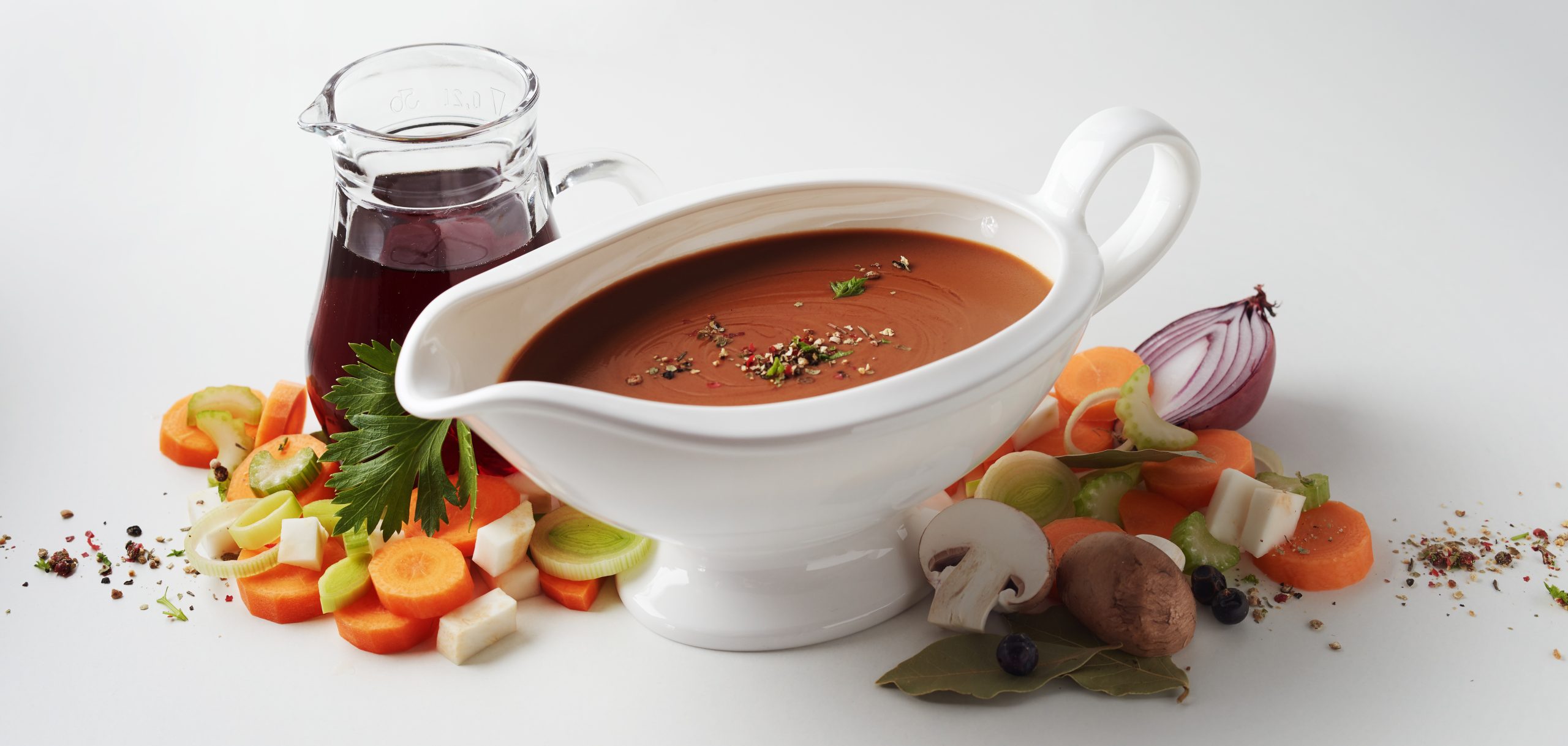
This part of the meal is very important. So, we suggest that you take a little time as this will raise the flavour levels up another notch. Take 1 large carrot, 1 large onion, 1 stick of celery, chopped parsley, large knob of butter, tablespoon of flour, 1 tablespoon of tomato puree , 1..5 pint chicken stock, gravy browning, a glug of port or red wine & seasoning & sprigs of thyme.
Fry the chopped carrot, onion and celery in the butter in a saucepan for 3 – 4 mins. Add the flour and mix in forming a paste. Add the tomato puree. Gradually add the chicken stock stirring throughout then add the port/wine. Add the seasoning and the sprigs of thyme. Correct the colouring to your desired effect by adding gravy browning. Cook slowly on the hob, add the juices from the turkey roasting tin. Strain just before serving and skim off any excess fat. Trust me …. this is worth the effort.
Post-Cooking Tips
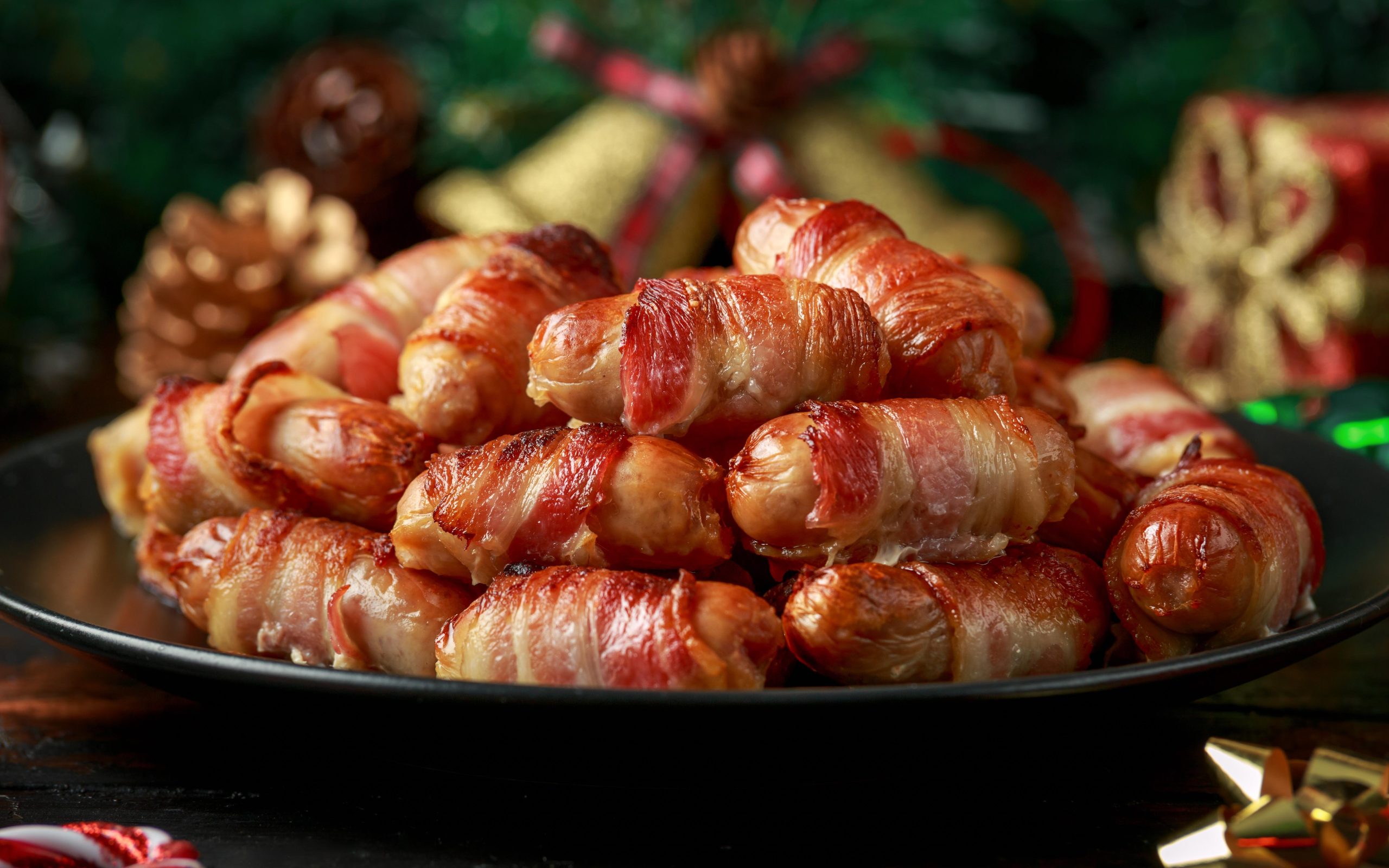
Once the cooking time is complete, it’s important to allow the turkey crown to rest for 20 minutes before carving. This ensures that the meat remains tender and succulent. Covering the joint with foil during the resting time preserves the heat and moisture, enhancing the flavor. This resting time also allows for the meat to relax, making it easier to carve. So, be patient, and let it rest for the last 20 minutes. Meanwhile you are still finishing off your roast potatoes and maybe roast parsnips and pigs in blankets before plating up.
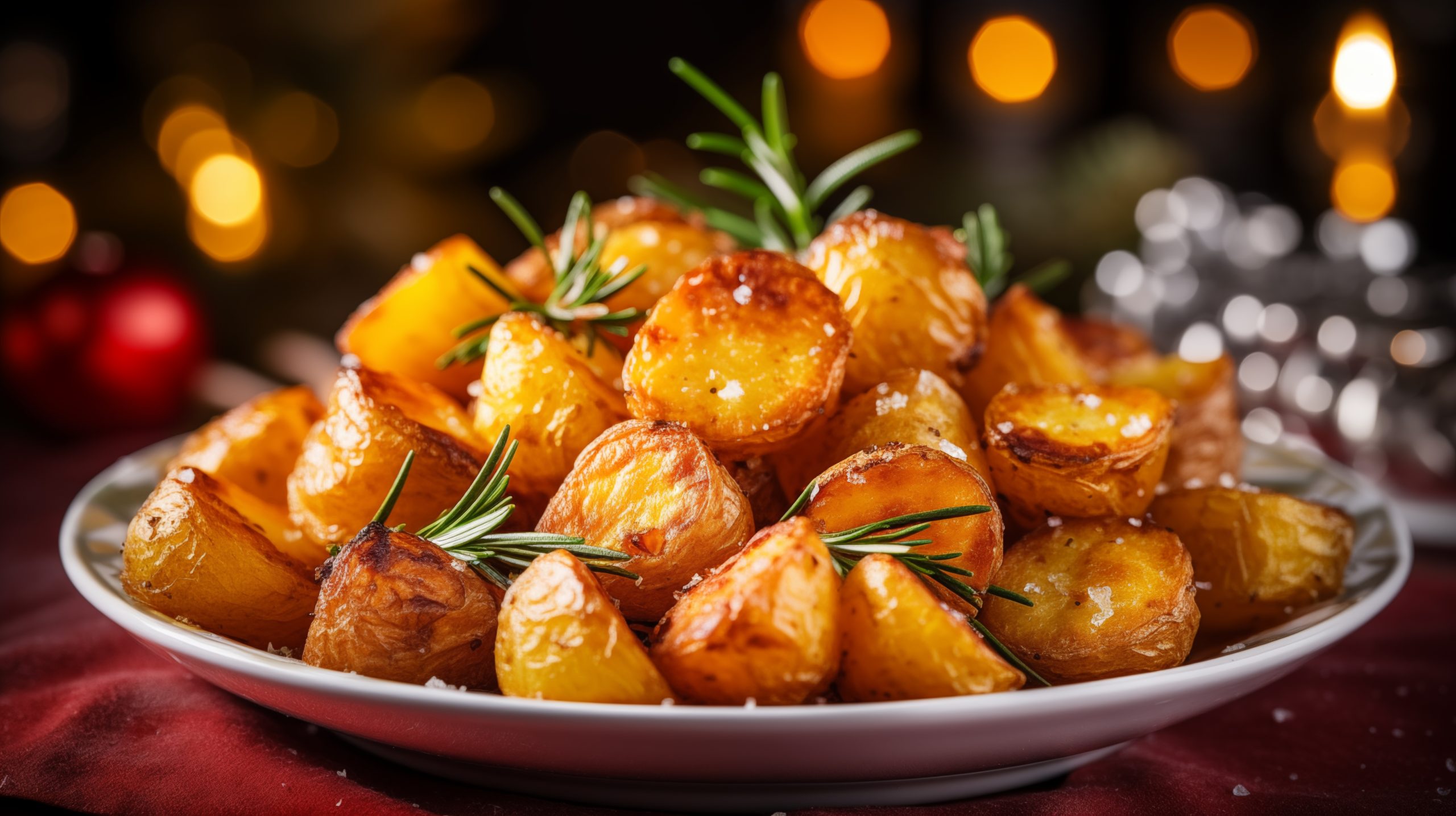
Tip for crispy potatoes
Par boil just for a few mins before roasting, Drain the potatoes in a colander and shake them. this roughs the outer edges of the potates. Then roast in the oven with sprigs of fresh rosemary. Finish off with sea salt.
Tip for serving hot fresh vegetables
Here’s a handy tip to help you serve perfectly cooked vegetables alongside your perfectly cooked roast turkey. Just for an example Carrots, Broccoli & Brussel Sprouts . Cook the vegetables in advance. When almost perfectly cooked refresh them in ice cold water. This stops the cooking process and keep them looking fresh . Drain and portion the vegetables up into microwavable dishes with a knob of butter and seasoning. Just before you’re ready to start serving. Zap the vegetables in the microwave for a couple of minutes. Simply serve your fresh hot vegetables by emptying each dish onto the plate. Take care to present them neatly.
* A cheat method – for aesthetics only – add a teaspoon of bicarbonate of soda to the vegetables when cooking. (This kills the nutrients so isn’t really great)

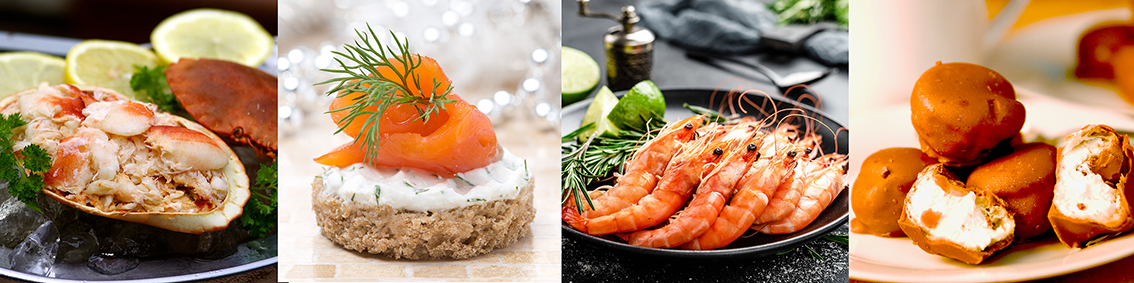
Here are a few links for some easy starters and desserts. (Just to help make sure you do spend time in the lounge & not just the kitchen)
Dressed Crab Smoked Salmon Cooked Crevettes SaltedCaramel Profiteroles

Conclusion
In conclusion, cooking the perfect turkey crown requires careful preparation and attention to detail. Understanding the nature of the meat and following the proper defrosting and cooking processes are essential. You’ll produce a delicious and moist centerpiece for your Christmas meal. That said …. relax and enjoy the occasion. By being prepared you give yourself time to enjoy yourself. Just remember – allow enough time for defrosting if using a frozen turkey crown. Follow the recommended cooking times based on the weight of the crown. After cooking, allow to rest before carving to ensure maximum juiciness. Following these tips and techniques will help you impress your guests with a perfectly cooked Christmas dinner. The highlight of your festive season should be a cinch. Happy cooking and have a fabulous festive day!
The post How do I cook a Turkey Crown?: A Comprehensive Guide appeared first on Seafresh.
]]>The post Sage & Onion Stuffing appeared first on Seafresh.
]]>- 200grams turkey mince
- 200grams sausage meat
- 1medium Brown Onionfinely diced
- 10leaves Sagefinely chopped
- 1 pinch Salt
- Vegetable Oilfor deep frying
- 75grams flour
- 2 Eggs
- 100grams Breadcrumbs
- Seasoning
- to make the stuffing, place a saucepan on a medium heat. Once hot, add a dash of oil and the diced onions and chopped sage. Sweat for 10-15 minutes until the onions are soft and translucent, without any colour
- Remove the pan from the heat and allow the mix to cool. Combine the turkey mince and sausage meat in a bowl with the sage and onion mix, season with salt and stir thoroughly to combine. Roll the mixture into walnut-sized balls, place on a tray and refrigerate to help them set
- Prepare three separate bowls containing the flour, eggs and breadcrumbs for coating the balls
- Coat the balls by lightly rolling in the flour, then the eggs, then the breadcrumbs. Repeat the step with the eggs and breadcrumbs for a crispier coating Carefully lower the stuffing balls into the hot oil and fry until golden brown - this should take 3-4 minutes. Remove from the oil and drain on absorbent kitchen paper
- Season lightly and serve alongside your roast dinner
The post Sage & Onion Stuffing appeared first on Seafresh.
]]>